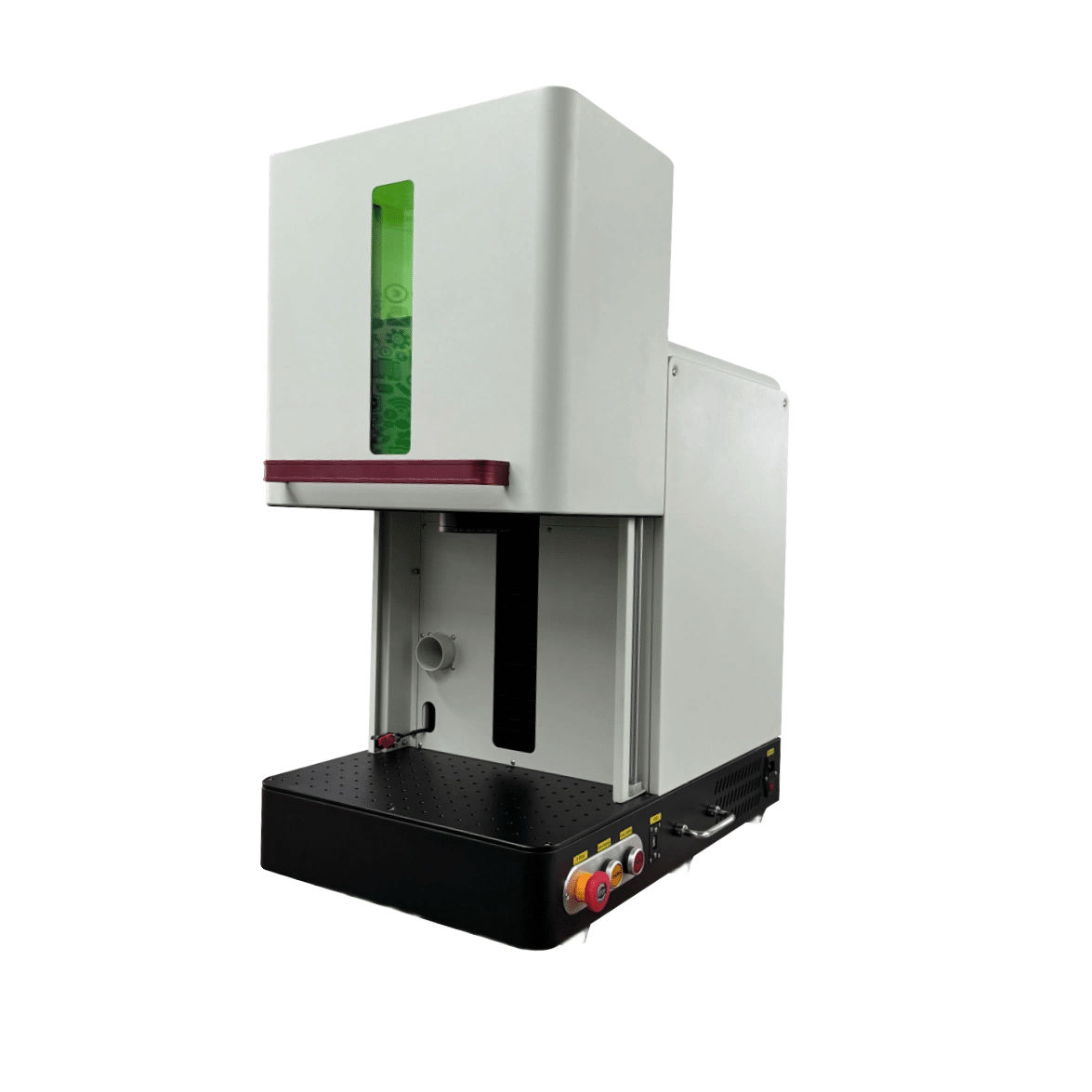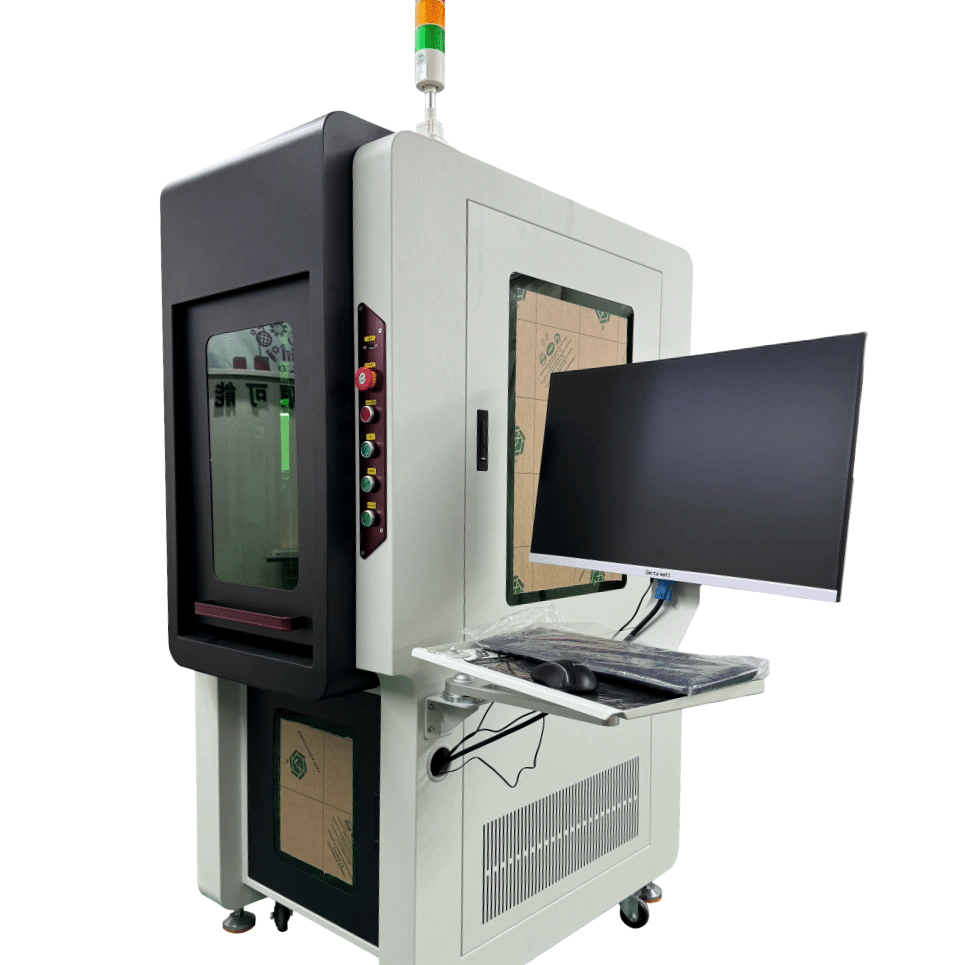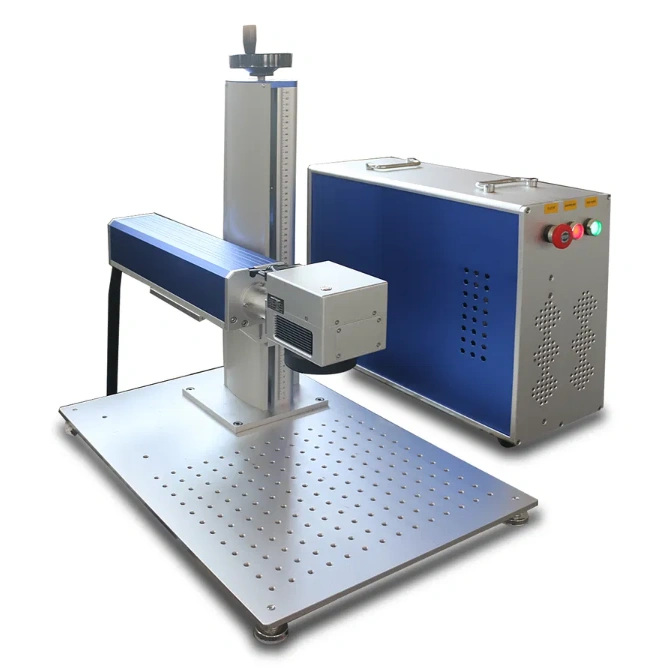
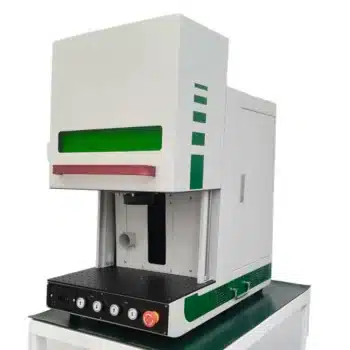
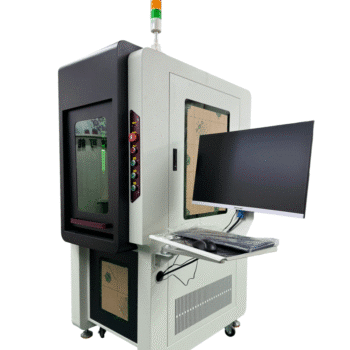
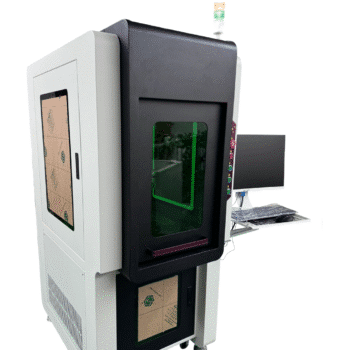
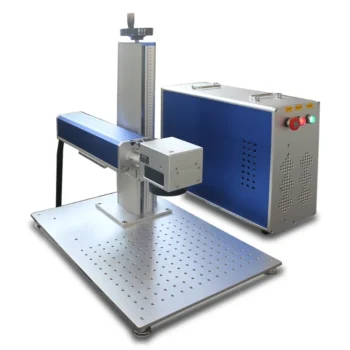
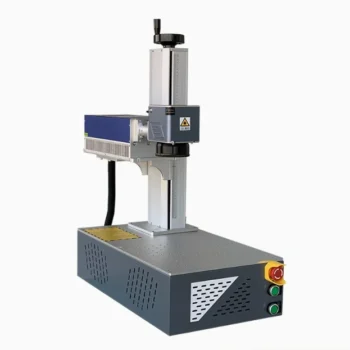
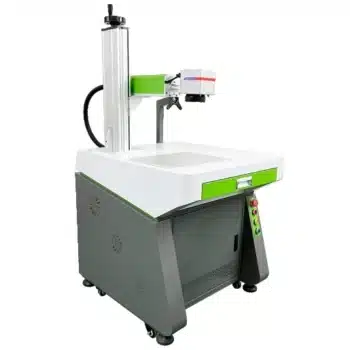
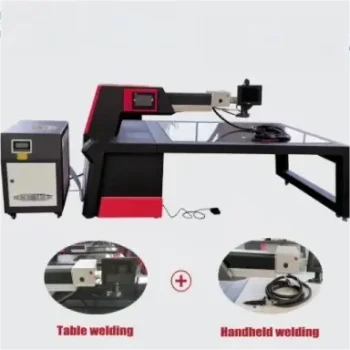
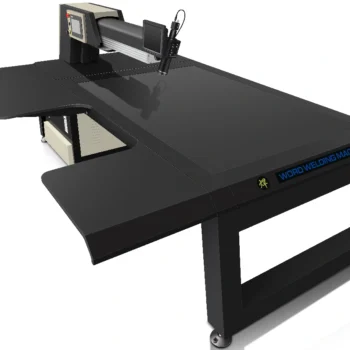

In the era of precision manufacturing and product traceability, laser marking machines have become indispensable tools across industries—from electronics and medical devices to automotive and consumer goods. Unlike traditional printing or engraving, laser marking delivers permanent, high-contrast marks with minimal material damage, making it a preferred choice for quality control and brand identification. With diverse technologies available—each tailored to specific materials and applications—understanding the differences between laser marking machine types is key to making informed decisions. This comprehensive guide breaks down the four core categories, their material specialties, and highlights impactful innovations like MOPA color marking (with JPT as a leading provider) and 3D marking via the EZCAD3 system.
1. Fiber Laser Marking Machines: The Workhorse for Metals & Hard Materials
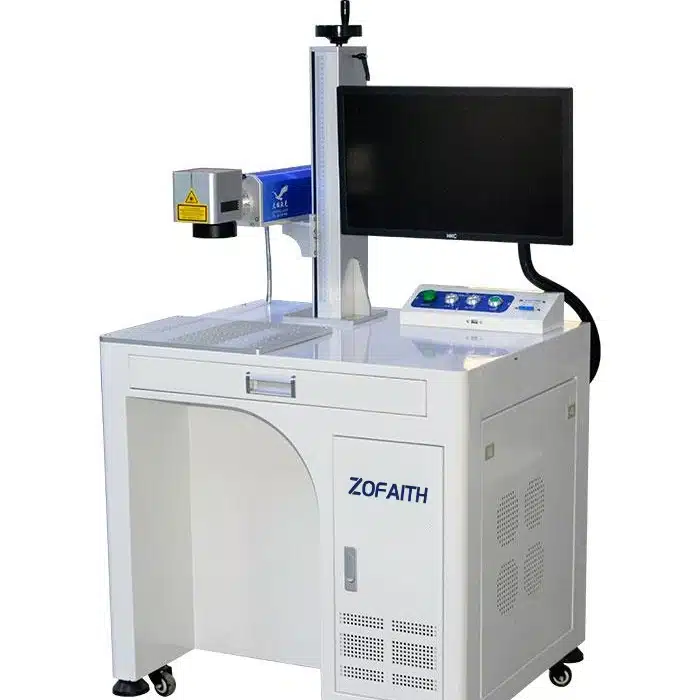
Fiber laser marking machines dominate the industrial landscape, thanks to their high efficiency, long lifespan (up to 100,000 operating hours), and exceptional performance on conductive materials. Powered by fiber lasers—typically ranging from 20W to 100W—they work by exciting laser energy through optical fibers, creating concentrated heat that alters the material’s surface without melting or cutting through it.
Key Material Compatibility
-
Metals: The primary focus of fiber lasers. They excel at marking stainless steel (e.g., kitchenware logos), aluminum (automotive parts serial numbers), copper (electrical components), brass (jewelry engravings), and titanium (medical device identifiers). The marks are scratch-resistant and withstand harsh environments.
-
Hard Plastics: Engineering plastics like PEEK, ABS, and nylon (common in electronics housings) respond well to fiber laser marking, producing sharp, durable marks.
-
Other Materials: Ceramics (e.g., dental implants, smartphone back covers) and some composite materials (carbon fiber parts in aerospace) also benefit from fiber laser precision.
MOPA Fiber Lasers: The Innovation for Color Marking on Metals
A significant advancement in fiber laser technology is the MOPA (Master Oscillator Power Amplifier) design, which addresses a key limitation of standard fiber lasers: monochromatic marking. MOPA lasers enable precise control of laser pulse width and frequency, a capability that interacts with metal surfaces to create oxide layers of varying thicknesses. These layers reflect light differently, producing a rich spectrum of colors (red, blue, green, gold, etc.) without inks, coatings, or secondary processes. Leading manufacturers like JPT specialize in MOPA fiber lasers, making this technology accessible for applications like high-end jewelry engravings, branded consumer electronics, and custom automotive trim.
The color marks created by MOPA lasers retain the durability of standard fiber laser engravings—scratch-resistant, fade-proof, and suitable for harsh environments. This makes them ideal for industries where both aesthetics and longevity matter. For example, jewelry manufacturers use MOPA technology to expand custom product lines, while electronics brands leverage it for distinctive branding on metal components. While MOPA is a specialized subset, it exemplifies how fiber laser technology continues to evolve to meet diverse industry needs.
2. UV Laser Marking Machines: The Gentle Precision for Delicate Materials
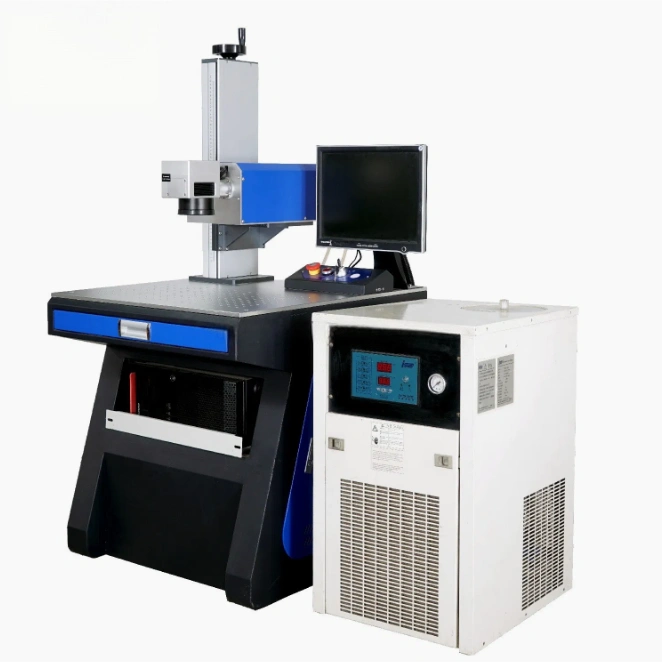
UV (Ultraviolet) laser marking machines operate at shorter wavelengths (typically 355nm) compared to fiber lasers, using photon energy to break chemical bonds on the material’s surface—a process called “cold marking.” This low-heat approach avoids thermal damage, making UV lasers the top choice for delicate, heat-sensitive materials.
Key Material Compatibility
-
Soft Plastics & Polymers: PVC, PET (plastic bottles), PP, and flexible plastics (e.g., medical tubing, cable insulation) are perfectly suited for UV marking. The process creates crisp, non-yellowing marks without melting the material.
-
Glass & Crystal: UV lasers produce frosted or clear marks on glass (e.g., wine bottle labels, smartphone screen glass) and crystal (luxury gifts, awards) without cracking or chipping.
-
Medical & Cosmetic Products: Disposable medical supplies (syringes, surgical gloves packaging) and cosmetic containers (lipstick tubes, skincare bottles) require non-toxic, permanent marks—UV lasers deliver this without contaminating the product.
-
Electronics Components: Delicate parts like circuit boards, microchips, and LED chips benefit from UV marking’s precision, as it won’t damage sensitive circuits.
3. CO₂ Laser Marking Machines: The Specialist for Non-Metals
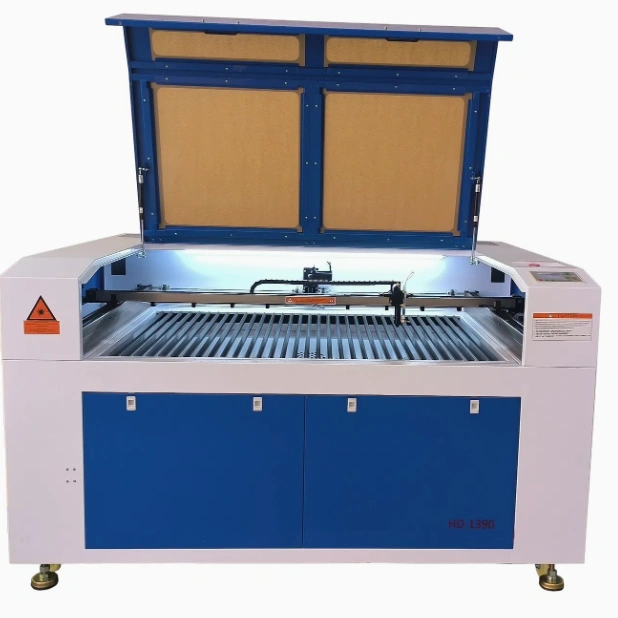
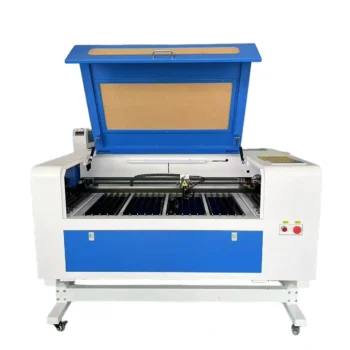
CO₂ (Carbon Dioxide) laser marking machines use a gas mixture (CO₂, nitrogen, helium) to generate laser energy at a wavelength of 10.6μm, which is highly absorbed by organic materials. They are cost-effective, versatile, and widely used in industries focused on non-metallic substrates.
Key Material Compatibility
-
Wood & Paper: Wooden crafts (cutting boards, furniture), cardboard packaging, and paper products (book spines, labels) are ideal for CO₂ lasers. The process creates precise, burn-free marks (or controlled burn marks for decorative effects).
-
Textiles & Fabrics: Clothing tags, fabric logos (e.g., sportswear brands), and leather goods (shoes, bags) are marked cleanly with CO₂ lasers, avoiding fraying or material degradation.
-
Acrylic & Resins: Acrylic displays, signage, and resin-based products (3D printed parts) respond well to CO₂ marking, producing bright, legible marks with sharp edges.
-
Other Non-Metals: Rubber (tires, O-rings), foam, and some composites (fiberglass) are also compatible with CO₂ laser marking.
4. Handheld Laser Marking Machines: Portability for On-Site & Large Workpieces
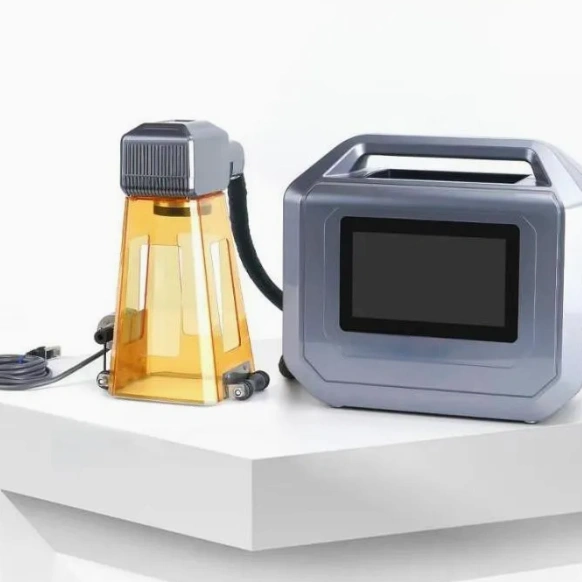
Traditional laser marking machines are stationary, which limits their use for large workpieces (e.g., steel beams, heavy machinery) or on-site marking (e.g., construction equipment, pipeline identification). Handheld laser marking machines solve this problem by combining portability with industrial-grade performance—most are fiber laser-based (for metal compatibility) and weigh just 3-5kg, with rechargeable batteries for cordless operation.
Key Material Compatibility & Applications
-
Large Metals: Steel structures, shipping containers, and industrial machinery—handheld units can mark serial numbers, QR codes, or safety labels directly on-site without moving the workpiece.
-
Automotive & Aerospace: Marking chassis numbers, engine parts, or aircraft components that are too heavy to transport to a stationary machine.
-
Maintenance & Repair: Adding replacement part identifiers to equipment during field service, ensuring traceability.
Modern handheld models also integrate wireless connectivity, allowing operators to send marking files directly from a smartphone or tablet—enhancing flexibility and efficiency.
3D Laser Marking: Expanding Possibilities with Advanced Control Systems
Traditional laser marking is limited to flat surfaces, but 3D laser marking has emerged to address parts with curved, contoured, or complex geometries—critical for aerospace components, medical implants, and 3D-printed parts. The success of 3D marking hinges on advanced control systems that can map surface variations and adjust laser focus in real-time. EZCAD3 stands out as a leading software solution in this space, offering the precision and flexibility needed for complex 3D applications.
Key EZCAD3 Features for 3D Marking
-
3D Model Import: Supports STL, OBJ, and other 3D file formats, allowing direct marking from CAD designs—critical for aerospace and medical parts with intricate geometries.
-
Dynamic Focus Control: Automatically adjusts laser focus based on the 3D model’s surface height, eliminating uneven marks on curved or stepped surfaces.
-
User-Friendly Interface: Even for complex 3D projects, EZCAD3’s intuitive design reduces setup time—operators can preview marks before processing, minimizing material waste.
-
Broad Compatibility: EZCAD3 integrates seamlessly with fiber, UV, and CO₂ laser machines, as well as specialized systems like MOPA fiber lasers. This versatility makes it a popular choice for shops with diverse equipment, enabling consistent control across different laser types.
How to Select the Right Laser Marking Machine
Selecting the optimal laser marking machine depends on three core factors: the material being marked, the application requirements (e.g., portability, precision), and desired mark characteristics (e.g., color, durability). The following framework simplifies the decision-making process by aligning technologies with common use cases:
-
Delicate/heat-sensitive materials (plastics, glass, medical supplies): UV laser marking machine. Ideal for non-yellowing, precise marks without thermal damage.
-
Metals (standard marking): Fiber laser marking machine. Delivers high-speed, durable marks on steel, aluminum, copper, and more. For color marks on metals: MOPA fiber laser (e.g., JPT models).
-
Non-metals (wood, textiles, acrylic, paper): CO₂ laser marking machine. Cost-effective and versatile for organic materials.
The Evolving Landscape of Laser Marking
Laser marking technology continues to advance, with innovations like MOPA color capabilities and 3D marking expanding the technology’s reach. However, the core value of each machine type—fiber for metals, UV for delicate materials, CO₂ for non-metals, and handheld for portability—remains consistent. As industries demand higher precision, faster speeds, and more flexible solutions, understanding the fundamentals of each laser marking technology becomes increasingly important for optimizing production processes.
-
Large workpieces/on-site applications: Handheld laser marking machine (typically fiber-based). Enables on-the-go marking of steel beams, machinery, and other bulky items without transporting them to a stationary system.
Whether you’re marking medical devices with UV lasers, branding wooden crafts with CO₂ technology, or adding serial numbers to steel parts with fiber lasers, the right machine ensures consistent, high-quality results. Share your specific marking challenges or material questions in the comments—we’ll help you navigate the options.