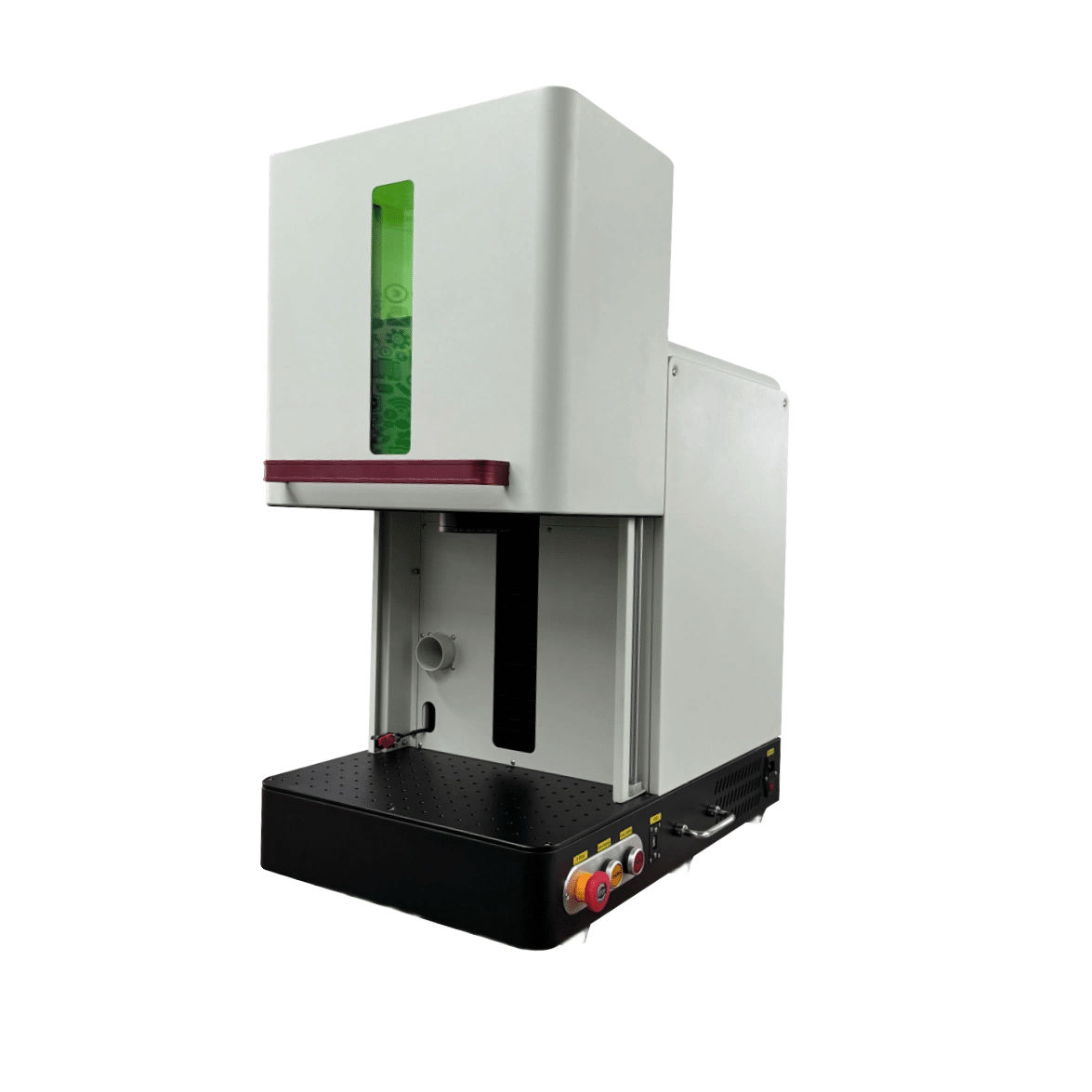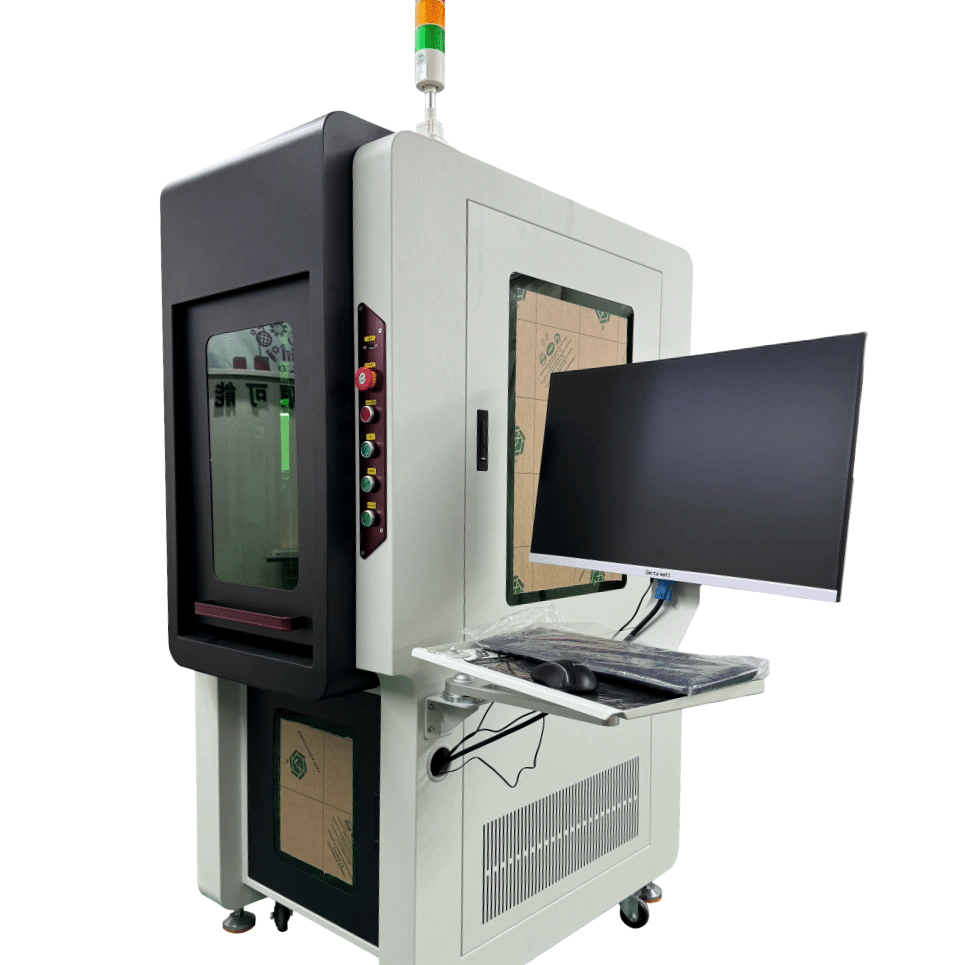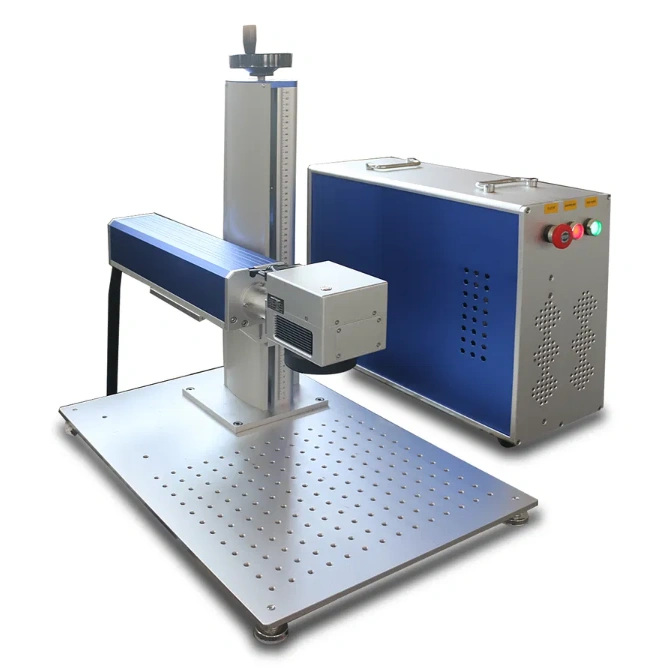
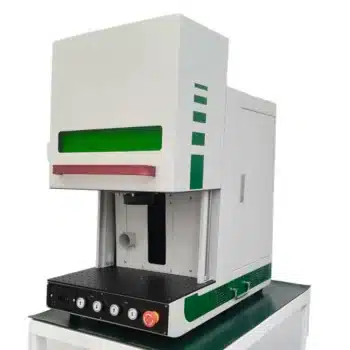
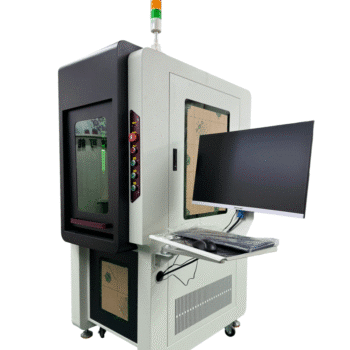
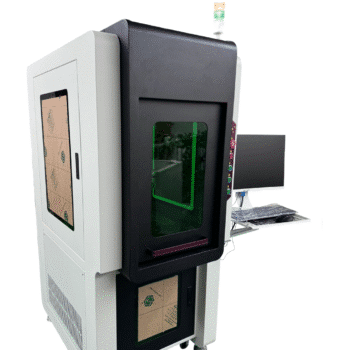
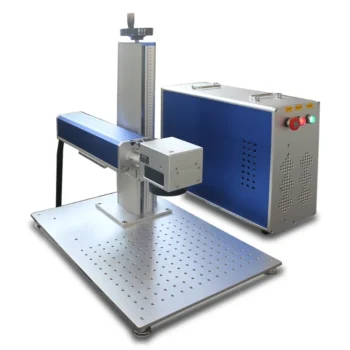
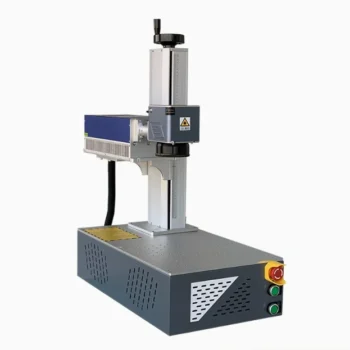
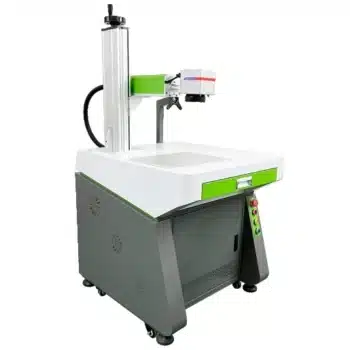
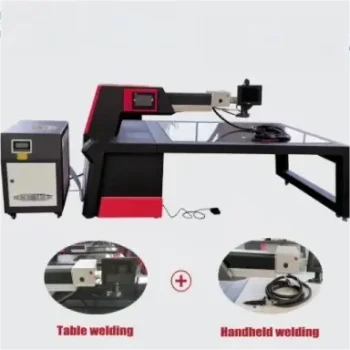
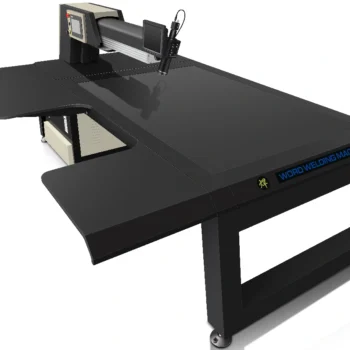
In the era of precision manufacturing and product traceability, laser marking machines have become indispensable tools across industries—from electronics and medical devices to automotive and consumer goods. Unlike traditional printing or engraving, laser marking delivers permanent, high-contrast marks with minimal material damage, making it a preferred choice for quality control and brand identification. With diverse […]
Category Archives: Laser Marking Machine
Laser Engraving Machine, Laser Marker & Industrial Laser Marking: Complete 2025 Handbook
In today’s manufacturing, customization, and industrial sectors, laser engraving machine, laser marker, and industrial laser marking technologies have become indispensable. From high-precision part identification to intricate custom designs, these tools deliver efficiency, durability, and versatility that traditional methods can’t match. Add in specialized solutions like the fiber laser engraver and CO2 laser marker, and businesses now have a full suite of options to meet diverse needs. This guide dives deep into what each tool offers, their real-world applications, and how to pick the right laser solution for your operations—all tailored to help you stay ahead in 2025.
What Is a Laser Marker? The Backbone of Modern Marking
A laser marker is a cutting-edge device that uses focused laser beams to create permanent, high-contrast marks on a wide range of materials. Unlike inkjet printers (which rely on consumables) or mechanical stamps (which risk material damage), laser markers work by altering the material’s surface—either through vaporization, color change, or micro-etching—resulting in marks that resist fading, scratching, and wear.
Key advantages of a laser marker include:
- Material Versatility: Marks metals (steel, aluminum), plastics, glass, ceramics, and even organic materials like wood or leather.
- Speed & Precision: Delivers fast marking speeds (up to 10,000 mm/s) with ultra-fine resolution (down to 0.01 mm), ideal for small text, barcodes, or serial numbers.
- Cost Efficiency: No inks, solvents, or replacement parts—low long-term maintenance costs compared to traditional methods.
- Eco-Friendliness: Emits no harmful chemicals, aligning with global sustainability goals for manufacturing.
Common uses include product branding, part serialization (for traceability), and compliance marking (e.g., safety labels on electronics).
Laser Engraving Machine: Beyond Surface Marks—Creating Depth & Detail
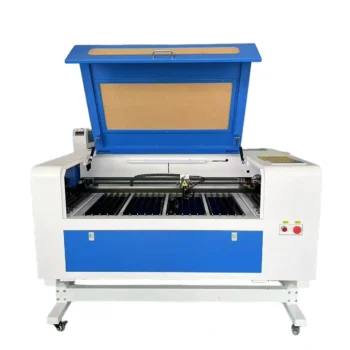
While laser markers focus on surface-level marking, a laser engraving machine takes things further by removing layers of material to create 3D, tactile engravings. This makes it perfect for applications where depth and texture matter, such as custom gifts, signage, or industrial part identification that requires high visibility.
Laser engraving machines stand out for:
- Depth Control: Adjust engraving depth from 0.1 mm to several millimeters, depending on the material (e.g., deep engravings on metal tools, shallow designs on acrylic awards).
- Intricate Detailing: Reproduces complex patterns, logos, or even photos with sharp clarity—ideal for personalized products like engraved jewelry or wooden plaques.
- Material Adaptability: Works with metals, plastics, wood, stone, MDF, and more—making it a top choice for crafts, automotive, and aerospace industries.
For small businesses (e.g., custom gift shops) or large manufacturers (e.g., engraving serial numbers on engine parts), a laser engraving machine expands service capabilities and adds value to products.
Industrial Laser Marking: Powering Large-Scale Manufacturing
Industrial laser marking refers to high-volume, heavy-duty laser marking solutions designed for factory and production line environments. Unlike desktop laser markers, these systems are built for continuous operation, integration with automated workflows, and handling tough industrial materials (e.g., thick metal sheets, heat-resistant plastics).
Why industrial laser marking is critical for modern manufacturing:
- High Throughput: Marks hundreds or thousands of parts per hour, keeping up with fast-paced production cycles.
- Automation Compatibility: Integrates with conveyors, robots, and ERP systems for seamless traceability (e.g., marking QR codes on automotive components).
- Durability: Withstands harsh factory conditions (dust, temperature fluctuations) and requires minimal downtime for maintenance.
Key industries relying on industrial laser marking include automotive, electronics, medical devices, and aerospace—where compliance, traceability, and product safety are non-negotiable.
Fiber Laser Engraver: The Go-To for Metal & Hard Materials
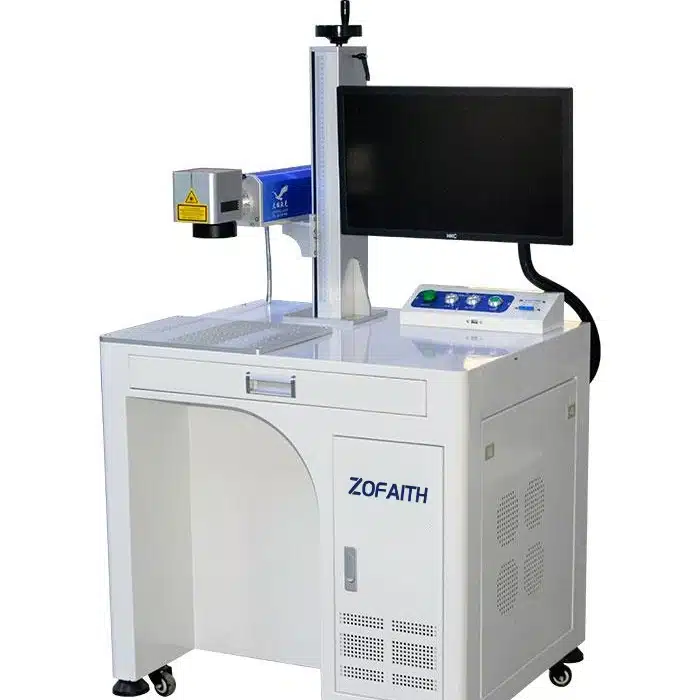
When it comes to marking or engraving metals and hard substrates, the fiber laser engraver is unmatched. Using fiber-optic technology to amplify laser beams, these machines deliver high energy density—making them ideal for materials like stainless steel, titanium, brass, and carbon fiber.
Advantages of a fiber laser engraver:
- Metal Expertise: Creates crisp, permanent marks on metals without damaging the material’s structural integrity.
- Speed & Efficiency: Faster than CO2 lasers for metal applications, with lower power consumption (reducing energy costs).
- Long Lifespan: Fiber laser sources last up to 100,000 hours (vs. 10,000–20,000 hours for CO2 lasers), minimizing replacement costs.
Common uses include engraving tool serial numbers, marking jewelry, and creating high-contrast logos on metal products. For businesses focused on metalworking or industrial part production, a fiber laser engraver is a must-invest.
CO2 Laser Marker: The Versatile Choice for Non-Metals
While fiber laser engravers excel at metals, the CO2 laser marker is the top pick for non-metallic materials. Using carbon dioxide laser beams, these markers interact with organic materials (plastics, wood, fabric) and some inorganic substrates (glass, ceramic) to create clean, precise marks.
Why choose a CO2 laser marker?
- Non-Metal Mastery: Perfect for marking plastic packaging (date codes, batch numbers), engraving wooden signs, or adding designs to fabric apparel.
- Gentle on Delicate Materials: Avoids warping or cracking thin plastics, paper, or leather—critical for industries like packaging and textiles.
- Cost-Effective for Non-Metals: Lower upfront costs than fiber lasers, making it accessible for small businesses (e.g., craft studios, small-scale packaging firms).
Applications range from food packaging (marking expiration dates) to electronics (logo marking on plastic casings) and even art (engraving canvas or paper).
How to Choose the Right Laser Solution: Key Factors for 2025
With options like laser engraving machine, fiber laser engraver, and CO2 laser marker available, selecting the right tool depends on your specific needs. Here’s a step-by-step guide:
- Define Your Goal: Are you marking (surface-level, e.g., barcodes) or engraving (depth required, e.g., 3D signs)? Choose a laser marker for marking, a laser engraving machine for depth.
- Material Type:
- Metals (steel, aluminum): Opt for a fiber laser engraver.
- Non-metals (plastic, wood, glass): Go with a CO2 laser marker.
- Mixed materials: A versatile laser marker with adjustable settings may work.
- Production Scale:
- Small batches/custom work: Desktop laser engraving machine or compact laser marker.
- High-volume industrial use: Industrial laser marking systems with automation features.
- Budget & Maintenance: Fiber lasers have higher upfront costs but lower long-term maintenance; CO2 lasers are more affordable for non-metal needs.
- Software & Support: Look for user-friendly software (compatible with CAD files, variable data) and a supplier offering training, repairs, and spare parts.
The Future of Laser Marking & Engraving in 2025
As technology evolves, laser engraving machine, laser marker, and industrial laser marking solutions are becoming smarter and more accessible. Trends to watch include:
- AI Integration: AI-powered software that optimizes marking paths, detects material types, and reduces errors.
- Portable Laser Tools: Compact, battery-powered laser markers for on-site work (e.g., marking construction materials).
- Eco-Friendly Innovations: Lower-power lasers that cut energy use without sacrificing performance.
With stricter global regulations on product traceability (e.g., in medical devices) and growing demand for customization (e.g., personalized consumer goods), the need for reliable laser solutions will only increase. Investing in the right fiber laser engraver or CO2 laser marker today can future-proof your business for years to come.
Ready to elevate your marking or engraving process? Explore top-rated laser solutions tailored to your industry and unlock new levels of efficiency and creativity in 2025!
Categories
Recent
- Automatic Deburring & Chamfering Machine for Sheet Metal Industry: Boost Efficiency
- Slag Remover: The Game-Changer for Laser Cutting Operations
- Laser Marking Machines Demystified: Fiber, UV, CO₂ & Handheld – Technologies, Materials & Key Innovations
- Revolutionize Laser Cutting Efficiency: The Ultimate Guide to Slag Removers & Slat Cleaners
- Closed Laser Marking Machines: Your Guide to Precision & Safety