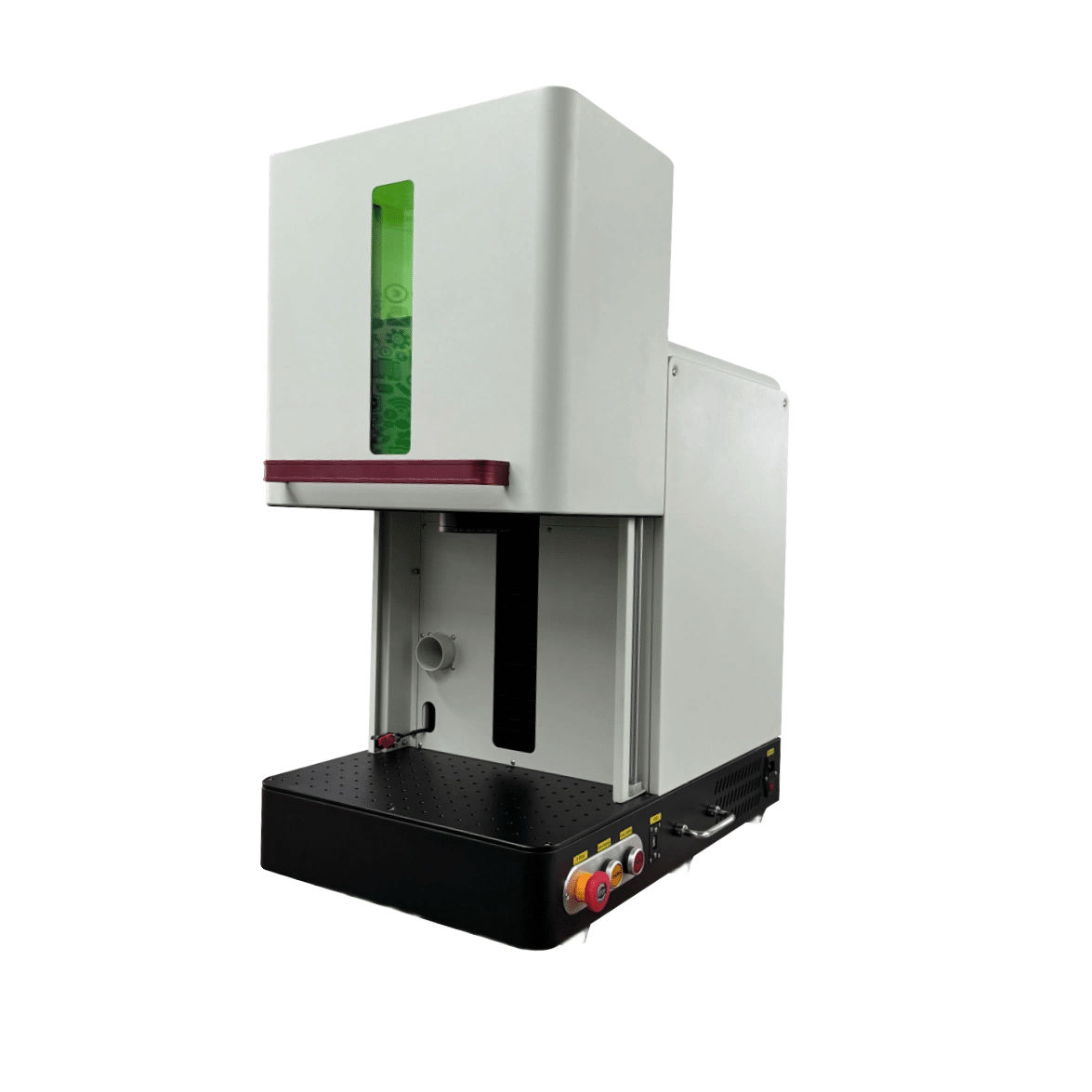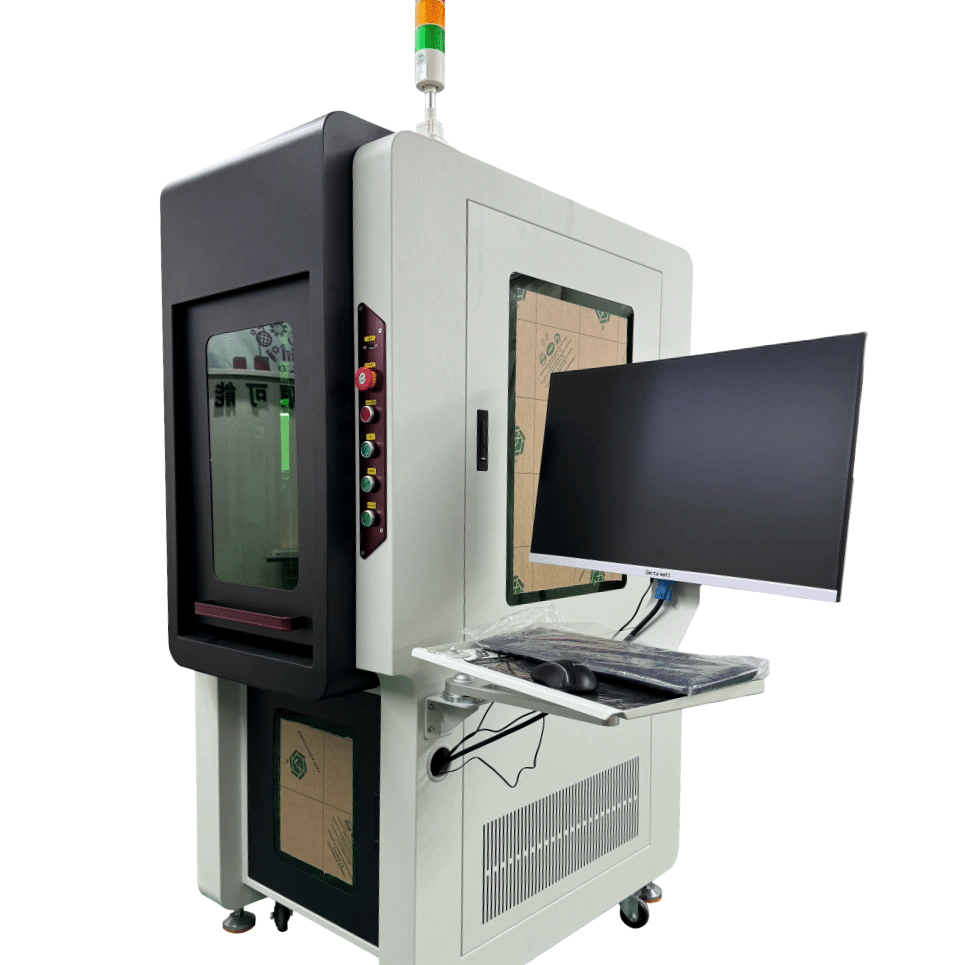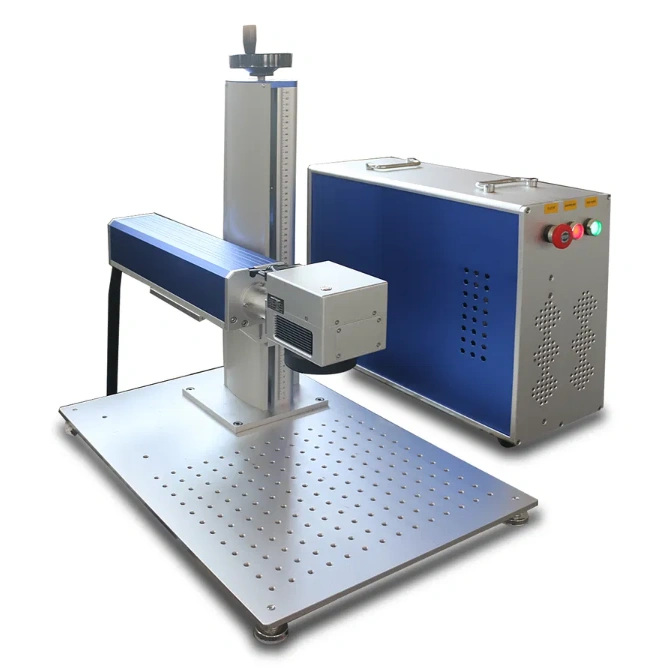
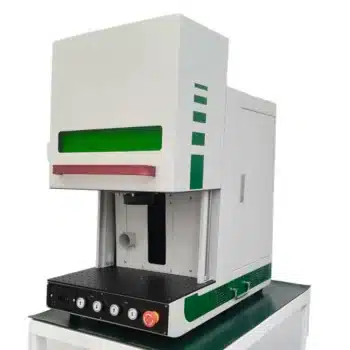
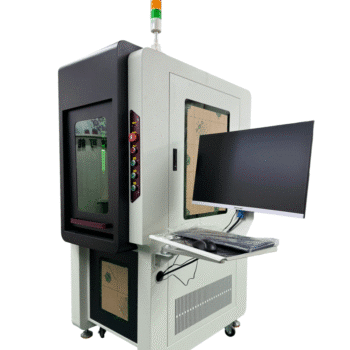
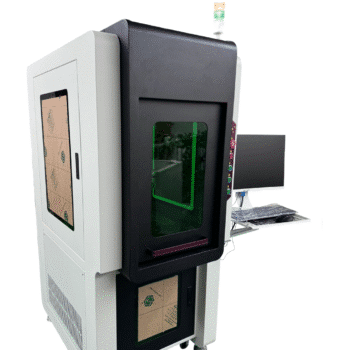
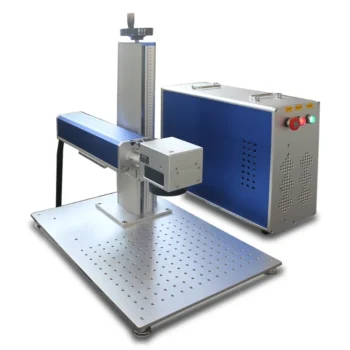
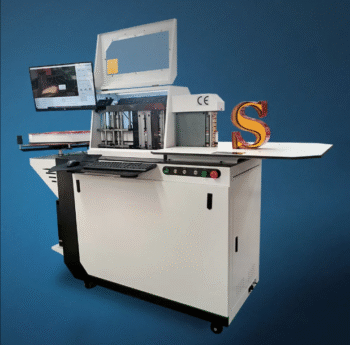
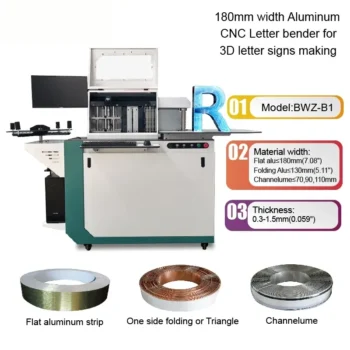
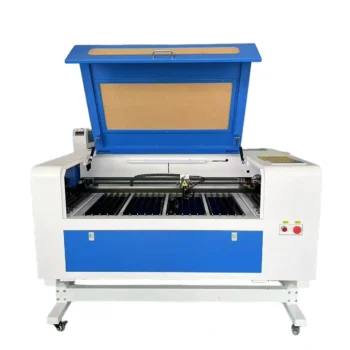
In the era of precision manufacturing and product traceability, laser marking machines have become indispensable tools across industries—from electronics and medical devices to automotive and consumer goods. Unlike traditional printing or engraving, laser marking delivers permanent, high-contrast marks with minimal material damage, making it a preferred choice for quality control and brand identification. With diverse […]
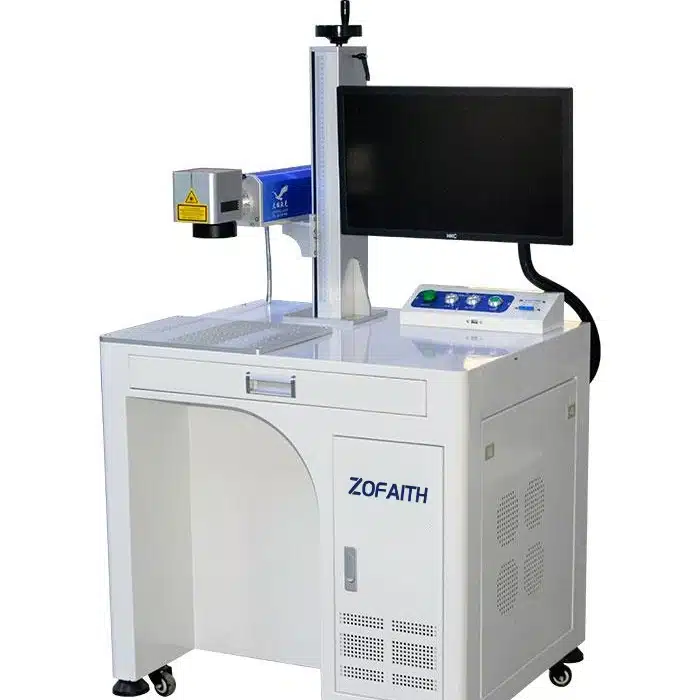
Category Archives: Fiber Laser Marking Machine
Fiber Laser Marker, Metal Laser Marking Machine & Industrial Fiber Laser Marker: Ultimate Guide
In precision marking, industrial manufacturing, and custom metal processing, fiber laser marker, metal laser marking machine, and fiber optic laser marking tool have become indispensable technologies. These solutions outperform traditional methods like inkjet printing, mechanical stamping, or chemical etching by delivering permanent, high-contrast results—even on the toughest metallic surfaces. Whether you’re a small business owner needing a compact system or a large manufacturer requiring heavy-duty performance, options like the industrial fiber laser marker and desktop fiber laser machine cater to every scale of operation. This guide explores the core capabilities of each tool, their real-world applications, and how to select the right fiber laser solution for your specific needs.
What Is a Fiber Laser Marker? The Foundation of Precision Metal Marking
A fiber laser marker is a cutting-edge device that uses fiber-optic technology to generate and amplify concentrated laser beams. Unlike CO₂ lasers (which excel at non-metallic materials), fiber laser markers are engineered to interact with metallic surfaces, creating durable marks through three key processes:
- Annealing: Uses low heat to change the metal’s surface color (e.g., black marks on stainless steel) without removing material.
- Ablation: Vaporizes thin layers of the metal’s surface to create shallow, high-contrast marks (ideal for barcodes or serial numbers).
- Engraving: Removes deeper material layers for tactile, 3D marks (used for logos on tools or personalized jewelry).
Key advantages of a fiber laser marker include:
- Metal Versatility: Works seamlessly with steel, aluminum, copper, titanium, brass, and metal alloys—no pre-treatment required.
- Speed & Efficiency: Operates at speeds up to 15,000 mm/s, making it 2–3x faster than traditional metal marking tools for high-volume tasks.
- Long-Term Reliability: Fiber laser sources have a lifespan of 80,000–100,000 hours (far longer than CO₂ or YAG lasers), reducing replacement costs.
- Low Maintenance: No moving parts in the laser source, minimizing downtime for repairs or calibration.
Metal Laser Marking Machine: Specialized for Metallic Substrates
While fiber laser markers offer broad utility, a metal laser marking machine is a dedicated system optimized exclusively for metallic materials. It addresses the unique challenges of marking metals—such as high thermal conductivity and hardness—by fine-tuning laser power, pulse frequency, and focus to ensure consistent results across every part.
Why businesses choose a metal laser marking machine:
- Durable Marks: Resists corrosion, friction, and extreme temperatures (critical for parts used in automotive engines, aerospace components, or medical devices).
- Precision at Scale: Delivers ultra-fine resolution (down to 0.001 mm), enabling marking of micro-sized text, QR codes, or serial numbers on tiny parts (e.g., circuit board components).
- Coated Metal Compatibility: Effectively marks anodized aluminum, powder-coated steel, and plated metals without damaging the finish.
Common applications include:
- Automotive: Marking VINs, part numbers, or 追溯 codes on engine blocks or chassis components.
- Electronics: Branding logos or serial numbers on aluminum heat sinks or copper connectors.
- Jewelry: Engraving personalized text or designs on gold, silver, or titanium pieces.
Fiber Optic Laser Marking Tool: Portability & Precision Combined
A fiber optic laser marking tool is a compact, often handheld or benchtop device that leverages fiber-optic technology for on-site or small-batch marking. Unlike large industrial systems, it’s designed for flexibility—making it ideal for businesses that need to mark parts in multiple locations (e.g., construction sites, repair shops) or handle low-volume custom work.
Key benefits of a fiber optic laser marking tool:
- Portability: Lightweight (often 5–10 kg) and battery-powered options available, allowing marking on large, immovable parts (e.g., steel beams, heavy machinery).
- Plug-and-Play Operation: User-friendly software with pre-set parameters for common metals, reducing setup time for beginners.
- Cost Accessibility: Lower upfront costs than industrial systems, making it a great entry point for small businesses or hobbyists.
Typical uses include:
- Construction: Marking part numbers on steel structures or pipes for assembly.
- Tooling: Engraving serial numbers on wrenches, drills, or industrial blades for warranty tracking.
- Customization: Personalizing metal gifts (e.g., engraved keychains, nameplates) for retail.
Industrial Fiber Laser Marker: Built for High-Volume Manufacturing
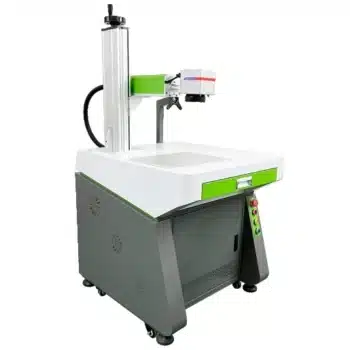
For large-scale production facilities, the industrial fiber laser marker is a workhorse designed for continuous, 24/7 operation. It integrates with automated workflows (e.g., conveyors, robotic arms) and handles high-throughput tasks—making it a staple in automotive, electronics, and medical device manufacturing.
Features that define an industrial fiber laser marker:
- High Power Output: Ranges from 50W to 200W, enabling fast marking of thick or high-density metals (e.g., stainless steel plates).
- Automation Compatibility: Connects to ERP systems, barcode scanners, or robotic loaders for seamless traceability and hands-free operation.
- Rugged Design: Built to withstand factory conditions (dust, vibration, temperature fluctuations) with IP54 or higher protection ratings.
- Variable Data Support: Automatically updates serial numbers, batch codes, or expiration dates—critical for compliance with industry regulations (e.g., FDA medical device tracking).
Desktop Fiber Laser Machine: Compact Power for Small Businesses
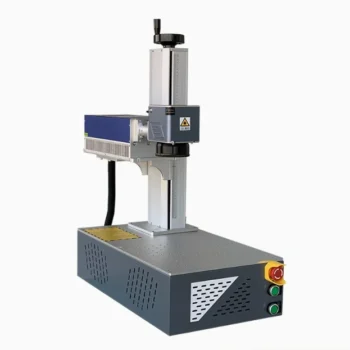
The desktop fiber laser machine is a space-saving solution ideal for small workshops, retail stores, or in-house production teams. It offers the precision of industrial fiber lasers but in a compact footprint (often 60cm x 40cm x 30cm)—perfect for businesses with limited floor space.
Why small businesses prefer a desktop fiber laser machine:
- Space Efficiency: Fits on a standard workbench, no dedicated room required.
- Balanced Performance: 20W–50W power range, handling both marking (e.g., logos on metal tumblers) and light engraving (e.g., custom jewelry).
- Affordability: Lower upfront costs than industrial systems, with similar long-term reliability.
- User-Friendly Software: Compatible with CAD files, Photoshop, or simple design tools—no advanced technical skills needed.
Common applications include:
- Retail: Engraving personalized metal accessories (e.g., bracelets, bottle openers) for customers.
- Small Manufacturing: Marking part numbers on custom fasteners or hardware.
- Hobbyists: Creating metal art, stencils, or model parts.
How to Choose the Right Fiber Laser Solution
Selecting between a fiber laser marker, metal laser marking machine, or desktop fiber laser machine depends on three key factors:
1. Material & Application
- Metal-only marking/engraving: Choose a metal laser marking machine for specialized performance.
- Mixed small-batch tasks (on-site or benchtop): Opt for a fiber optic laser marking tool or desktop fiber laser machine.
- High-volume industrial production: Invest in an industrial fiber laser marker.
2. Production Scale
- Low volume (10–100 parts/day): Desktop fiber laser machine or fiber optic marking tool.
- Medium volume (100–1,000 parts/day): Standard fiber laser marker (30W–50W).
- High volume (1,000+ parts/day): Industrial fiber laser marker (50W+ with automation).
3. Budget & Space
- Limited budget/space: Desktop fiber laser machine (most cost-effective, compact).
- Mid-range budget/flexible space: Standard fiber laser marker.
- Industrial budget/dedicated space: Industrial fiber laser marker.
Why Fiber Laser Technology Is the Future of Metal Marking
Fiber laser solutions—from the fiber optic laser marking tool to the industrial fiber laser marker—continue to dominate metal marking because they align with key industry trends:
- Traceability: Permanent, machine-readable marks (barcodes, QR codes) support global regulations for product tracking.
- Sustainability: No inks, solvents, or consumables, reducing waste and environmental impact.
- Customization: On-demand marking/engraving meets consumer demand for personalized metal products (e.g., custom jewelry, branded tools).
Whether you’re scaling up production or launching a small custom shop, fiber laser technology delivers the precision, durability, and efficiency needed to stay competitive.
Ready to upgrade your metal marking process? Explore top-rated fiber laser solutions tailored to your industry, and unlock faster, more reliable results for every project.
Categories
Recent
- Automatic Deburring & Chamfering Machine for Sheet Metal Industry: Boost Efficiency
- Slag Remover: The Game-Changer for Laser Cutting Operations
- Laser Marking Machines Demystified: Fiber, UV, CO₂ & Handheld – Technologies, Materials & Key Innovations
- Revolutionize Laser Cutting Efficiency: The Ultimate Guide to Slag Removers & Slat Cleaners
- Closed Laser Marking Machines: Your Guide to Precision & Safety